Explore Eco-Friendly Food Packaging Solutions
Food Packaging Trends: What's Hot for Sustainable Food Storage
The landscape of food packaging is shifting towards sustainability. Eco-friendly materials and biodegradable options are replacing traditional plastics. Innovations in reusable and smart packaging are emerging, providing convenience while minimizing waste. Simple, minimalist packaging designs are growing in popularity, prioritizing both function and visual appeal. As consumer awareness grows, brands must adapt to these changes. It remains to be seen how these developments will transform food storage practices and influence purchasing decisions.
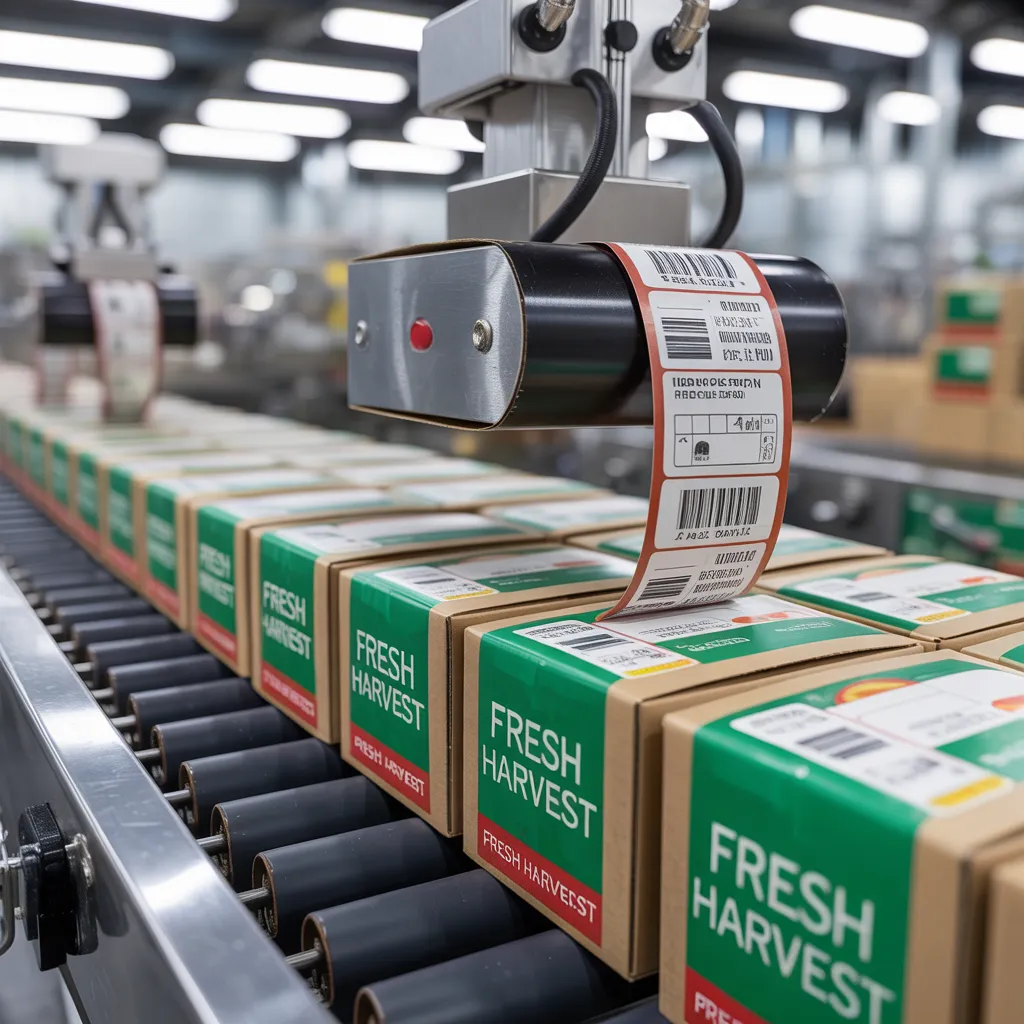
The Importance of Biodegradable Materials for a Sustainable Future
As environmental concerns continue to escalate, the importance of biodegradable materials in food packaging becomes increasingly evident. Traditional plastic packaging contributes considerably to global pollution, needing centuries to degrade and posing serious threats to wildlife. In contrast, biodegradable materials offer a sustainable alternative that breaks down naturally, minimizing landfill accumulation and lessening environmental damage.
Such materials, commonly obtained from renewable resources, not only help minimize pollution but also contribute to a circular economy by reintroducing nutrients back into the earth. Advancements in biodegradable packaging, including plant-based films and compostable containers, are attracting growing interest from both consumers and businesses.
Additionally, mounting regulatory demands and rising consumer preferences for environmentally friendly solutions are compelling organizations to implement these sustainable approaches. By embracing biodegradable materials, the food packaging sector can play a vital role in mitigating climate change and fostering a healthier planet for future generations. This transition represents an essential move toward a more accountable and sustainable tomorrow.
Eco-Friendly Alternatives to Single-Use Plastics: A Comparison
As single-use plastics have controlled the food packaging industry for generations, a expanding array of sustainable alternatives is arising as practical substitutes. Materials such as biodegradable films, compostable containers, and plant-based plastics provide promising options for minimizing environmental impact. Biodegradable films, commonly derived from starch or cellulose, decompose more rapidly in natural environments relative to traditional plastics. Compostable containers, sourced from renewable resources, offer a sustainable solution for foodservice applications, particularly in contexts focused on reducing waste. Moreover, plant-based plastics, such as polylactic acid (PLA), provide similar performance attributes to conventional plastics while being derived from renewable materials. All alternatives demonstrate unique benefits and challenges, including cost, availability, and specific use cases. As consumer knowledge increases, these eco-friendly options are growing vital in the fight against plastic pollution, opening the door for a more sustainable future in food packaging.
Innovations in Sustainable Food Packaging: Reusable Solutions
Breakthroughs in environmentally conscious food packaging are increasingly focusing on reusable alternatives that decrease environmental footprint. The rise of eco-friendly biodegradable materials is enhanced by the development of sturdy containers engineered for extended reuse. In addition, pioneering design attributes enhance functionality, making these solutions useful and attractive to customers.
Biodegradable Materials Revolution
The transition towards sustainable materials in food packaging is reshaping the industry, providing green solutions that tackle sustainability issues. Breakthroughs in bioplastics, sourced from natural origins like corn starch and sugarcane, are gaining traction as they decompose more easily than traditional plastics. These materials deliver the necessary durability for food storage while also reducing landfill waste. Companies are increasingly investing in research to boost the quality and accessibility of biodegradable options, serving eco-conscious consumers. Moreover, the rise of accreditations for compostable packaging is building clarity and public confidence. As understanding of environmental issues grows, the demand for biodegradable materials in food packaging is expected to grow, forging a more sustainable future for the industry.
Long-Lasting Reusable Containers
With the growing emphasis on sustainability in food packaging, durable reusable containers are emerging as a viable solution to reduce single-use waste. These containers are designed for longevity, allowing consumers to safely store and carry food for longer durations. Made from materials like glass, stainless steel, and high-quality plastics, they withstand repeated use and are often dishwasher safe, promoting convenience. Moving toward long-lasting alternatives signals a deeper useful information dedication to environmental stewardship, given that they considerably lessen the need for throwaway containers. Additionally, brands that adopt reusable containers often find increased customer loyalty, because shoppers recognize and support the sustainable option. Ultimately, durable reusable containers represent a practical approach to minimizing environmental impact while enhancing food storage efficiency.
Creative Design Elements
As sustainability emerges as a priority in food packaging, cutting-edge design features are emerging that improve the functionality and appeal of reusable solutions. Modern reusable containers now incorporate materials that are not only eco-friendly but also versatile, such as bioplastics and recycled fibers. Advanced sealing systems guarantee freshness while reducing waste, and modular designs allow for easy stacking and storage. Additionally, many brands are integrating smart technology, offering features like QR codes for tracking freshness or recipe suggestions. Consumer-friendly designs, such as collapsible or foldable alternatives, cater to consumers' needs for convenience. These developments not only support sustainability but also drive a shift in consumer habits towards more conscientious food storage practices, rendering reusable solutions increasingly appealing in today's market.
How Advanced Packaging Technologies Boost Sustainability
While conventional packaging has long been linked to environmental issues, smart packaging technologies are emerging as a transformative solution that enhances sustainability. These sophisticated systems employ sensors and indicators to track product freshness, significantly minimizing food waste. By providing real-time data on spoilage, they enable consumers and retailers to make informed decisions, ultimately extending the life of perishable goods.
Moreover, advanced packaging solutions can be engineered incorporating eco-friendly materials and elements that decrease the ecological footprint. For instance, various technologies feature QR codes that facilitate recycling by supplying in-depth disposal directions. This not only encourages environmentally responsible consumer behavior but also optimizes the recycling procedure.
Moreover, the incorporation of smart packaging with supply chain operations boosts efficiency by tracing products from the point of origin to the point of sale. This visibility limits redundant inventory and refines delivery processes. Altogether, smart packaging reflects a innovative methodology that aligns technological innovation with eco-friendly targets in the food and beverage sector.
The Way Minimalist Design Cuts Down on Waste
Minimalistic food packaging design serves a dual purpose of highlighting simplicity while significantly reducing waste. By stripping away unnecessary elements, minimalist packaging frequently requires fewer raw materials, thereby directly supporting lower levels of resource use. This streamlined approach enables manufacturers to create lighter products that simplify the transportation process, resulting in reduced carbon footprints during distribution.
Moreover, minimalist aesthetics tend to place functionality at the forefront, making certain that packaging fulfills its role efficiently without unnecessary additions. This concentration on fundamental features decreases the probability of excessive packaging, which is a significant contributor to environmental waste. Furthermore, visually attractive yet straightforward designs can boost consumer appeal, advancing the concept of sustainability while preserving stylistic integrity.
As the industry continues to shift toward eco-conscious practices, minimalist packaging emerges as a practical solution that aligns with both environmental goals and consumer preferences, ultimately fostering a culture of sustainability within food storage.
Consumer Awareness: Driving Change in Sustainable Food Packaging
Consumer awareness has surged dramatically in recent years, with approximately 66% of global consumers expressing concern about the environmental impact of their purchases. This increased consciousness is transforming the food packaging industry, driving brands to embrace sustainable approaches. Consumers are increasingly seeking products with eco-friendly packaging, compelling businesses to embrace biodegradable, compostable, or recyclable materials.
In addition, clarity has grown into an essential consideration; shoppers are now favoring brands that clearly communicate their sustainability efforts. This transformation is pushing makers to rethink their strategies, concentrating on streamlined designs that minimize waste without compromising product quality. Consequently, the food industry is experiencing a transformative shift towards more responsible packaging solutions.
Ultimately, consumer demand for sustainability is not just a trend; it is a foundational transformation that is influencing how items are packaged and advertised, confirming that sustainability remains a driving force in industry operations.
Popular Questions We Receive
What Are the Expenses Involved With Sustainable Food Packaging Choices?
The costs associated with environmentally conscious food packaging alternatives often include elevated material costs, spending on cutting-edge technologies, and potential increased production expenses. However, lasting financial gains and ecological advantages might compensate for these preliminary investments for companies.
In What Ways Do Consumers Shape Packaging Design Decisions?
Shoppers significantly influence packaging design decisions through their preference for sustainability, convenience, and aesthetics. Their demand for environmentally friendly materials compels manufacturers to innovate, making certain that packaging fulfills both environmental standards and consumer expectations for functionality and visual appeal.
Are There Certifications for Sustainable Food Packaging Materials?
Yes, there are numerous certification programs for sustainable food packaging materials, including FSC, Cradle to Cradle, and BPI. These certifications help consumers identify sustainable alternatives, supporting responsible sourcing practices and lessening ecological harm.
What Role Do Government Regulations Play in Sustainable Packaging?
Government policies significantly impact sustainable packaging by setting guidelines that encourage eco-friendly materials, enforce recycling practices, and incentivize innovation. These frameworks guide manufacturers to adopt greener approaches, yielding positive outcomes for ecological and public health standards.
How Can Businesses Measure the Impact of Sustainable Packaging?
Businesses can measure the impact of sustainable packaging by analyzing metrics such as reduced carbon footprints, waste generation, consumer feedback, and lifecycle assessments, enabling them to evaluate effectiveness and make informed improvements in their packaging strategies.